Media & Entertainment
Media & Entertainment on Visie covers campaign and editorial photography, key art, and broadcast coverage for marques spanning streaming, film, and publishing — including Netflix, A24, British Vogue, and ESPN — work where the image itself is often the product, not an ad for something else.
Explore Media & Entertainment categories
This week's top Media & Entertainment projects
This week's top Media & Entertainment projects, carefully handpicked by Visie's expert curators, showcase the best in style and innovation.
 Project
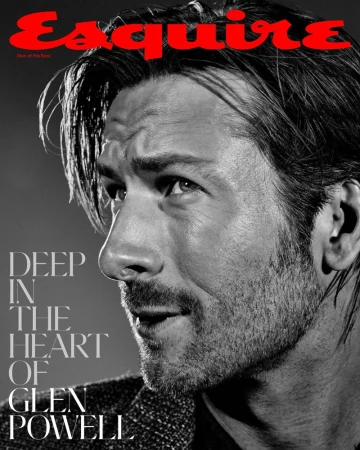
 Esquire U.S. · Esquire U.S. October/November 2026 Cover
Esquire U.S. features actor Glen Powell on the cover of its October/November 2026 issue. Captured by photographer Billy Kidd, the series leans into a high-contrast aesthetic, utilizing low-key chiaroscuro lighting to emphasize form and tonal depth against a minimalist studio backdrop. The editorial execution remains focused on clean, tight framing, pairing the dramatic monochrome portraits with traditional magazine cover typography. Fashion editor and stylist Chloe Hartstein provides the sartorial direction, while set designer Michael Sturgeon creates the neutral environment. The issue is produced under the leadership of editor Michael Sebastian.
 Project
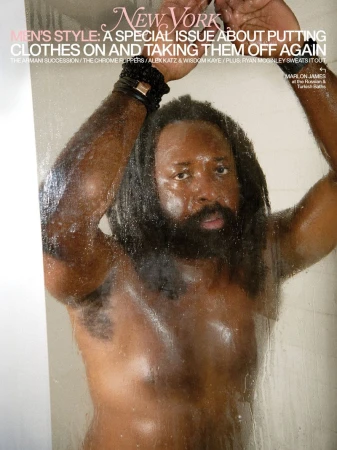
 New York Magazine · New York Magazine Men's Style Issue ...
New York Magazine presents its Men's Style Issue, a special feature exploring contemporary portraiture through a curated lens. Shot by photographer Ryan McGinley, the editorial series captures subjects including Elliot Page and Troye Sivan within intimate, atmospheric settings like saunas and bathhouses. The work leans into a clean, vertical aesthetic, defined by warm natural light and the use of analogue film techniques. Creative production for the feature was led by fashion editor Miyako Bellizzi, with additional contributions from hair stylist Tomo Jidai and makeup artist Tayler Treadwell. Movement direction by Ash Rucker helps define the candid, staged compositions found throughout the issue.
 Project
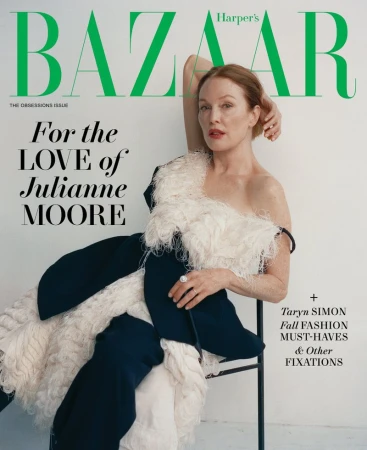
 Harper's Bazaar U.S. · Julianne Moore Is Still Obsessed
Harper's Bazaar U.S. features actor Julianne Moore in the editorial series Julianne Moore Is Still Obsessed. Shot by photographer Senta Simond, the project leans into a minimalist aesthetic, utilizing natural light and clean studio compositions to emphasize structured tailoring and quiet poise. The production features fashion styling by Malina Joseph Gilchrist, with hair styling by Jimmy Paul, makeup by Romy Soleimani, and manicures by Yuko Tsuchihashi. Set designer Bailey Brown provides the subtle studio backdrop, which incorporates floral elements and purposeful seating to complement Moore's candid portraiture. Techniques such as long exposure and analogue film textures add a tactile quality to the editorial imagery.
 Project
 De Bijloke · Brand Identity
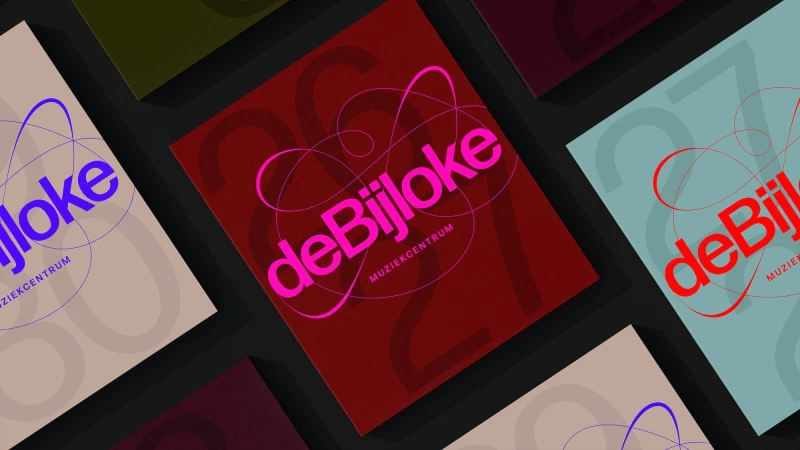
De Bijloke Muziekcentrum, a music venue and performance space, commissioned Pentagram to develop a comprehensive brand identity. The design system centers on bold, structured typography paired with fluid, abstract line art, utilizing a vibrant palette that transitions across promotional materials and event collateral. By applying these graphic elements to apparel, outdoor signage, and print media, the identity establishes a cohesive visual presence. The project incorporates a versatile range of applications, from concert hall screen graphics and billboard posters featuring artists like Benjamin Clementine, to merchandise including tote bags and apparel. The execution leans into a clean, minimalist approach, relying on vector-based imagery and precise layout to maintain consistency across both physical environments and digital displays.
 Project
 PARK, the renamed Stuttgart club · Brand Identity
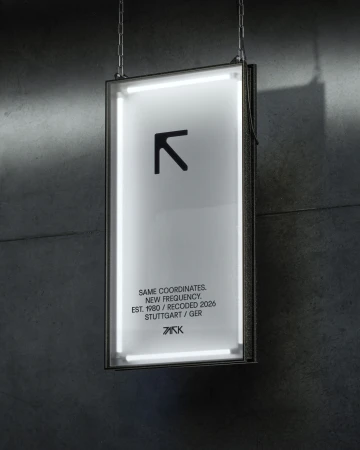
Stuttgart-based club PARK introduces a comprehensive brand identity system, reimagined to bridge its history with a forward-looking digital aesthetic. Developed by Hochburg and the Hanke Brothers, the project spans graphic design, 3D motion, and videography to establish a cohesive visual language for the venue. The identity leans into a stark monochrome palette, utilizing high-contrast editorial photography, geometric grid systems, and minimalist typography to ground the brand's evolution. The execution integrates both physical and digital touchpoints, ranging from illuminated signage and branded apparel to dynamic animation sequences. By utilizing clean 3D render/CGI techniques and experimental VFX, the creators translate the club's spatial presence into a flexible system of motion graphics and vector-based templates. This project establishes a precise, industrial identity that prioritizes clarity and structural rhythm across all media.
 Project
 GQ Magazine U.S. · GQ Magazine U.S. October 2026 Cover
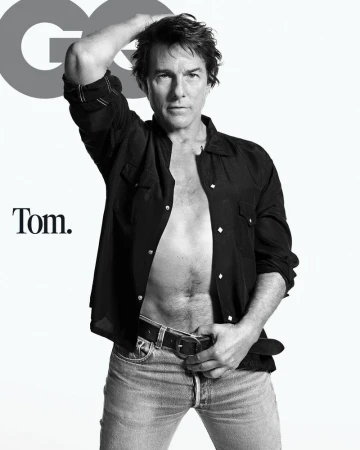
For the October 2026 issue of GQ Magazine U.S., photographer Mario Sorrenti captures actor Tom Cruise in a sharp, editorial cover portrait. The composition leans into a minimalist aesthetic, featuring a clean white background that brings focus to the styling, which includes an unbuttoned black shirt and fitted denim. The project was overseen by Head of Editorial Content Adam Baidawi and features styling by Fashion Editor George Cortina. The production team included hair by Jennifer Harling, makeup by Bruce Grayson, and set design by Philipp Haemmerle, with tailoring by Susanna Badalyan and accompanying cover story text by writer Zach Baron.
climate journalism critic Brandmelder · Brand Identity
The brand identity for climate journalism critic Brandmelder was developed by design studio NEW STANDARD.S. The project establishes a distinct visual language for the digital publication, leaning into graphic motion graphics and clean typography to present editorial content and climate reporting analysis. Utilizing a bold palette of peach, blue, and black, the identity features prominent halftone patterns and dot matrix icons that appear across the digital interface and platform assets. The system integrates interactive tools, including a file-processing interface that applies textural dot filters to imagery, creating a cohesive aesthetic that spans both static layouts and animated design elements.
 Project
 music, wellness and place · Brand Identity
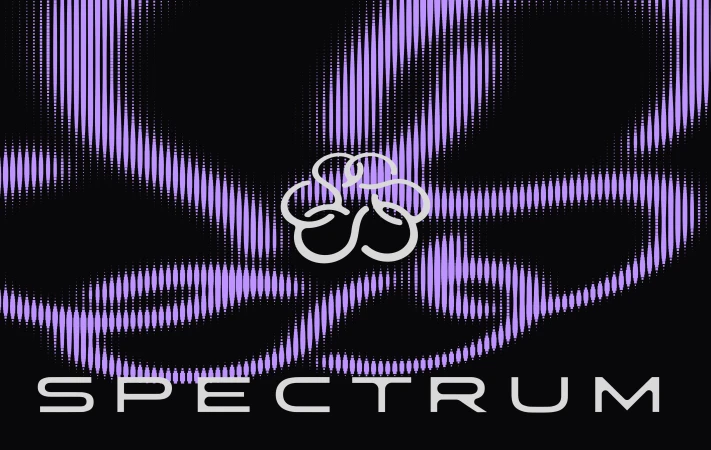
Recent™ developed a comprehensive brand identity for Spectrum, a venture operating at the intersection of music, wellness, and place. The visual language hinges on a signature lavender and violet color palette, balanced by high-contrast black and white typography. The identity employs a recurring halftone raster technique, creating undulating, soundwave-inspired textures that appear across digital assets, event collateral, and physical merchandise. Applications range from minimalist 3D-rendered signage and translucent consumer goods to lifestyle photography. These environmental shots capture the brand in context, leaning into warm, golden-hour natural light to ground the graphic elements in organic settings. The project demonstrates a cohesive, modular design system that scales from intricate vector typography and emblem design to large-scale event production.
ESPN · We're Going to the Super Bowl - 'Hit the Road'
ESPN's 'We're Going to the Super Bowl - Hit the Road' campaign leans into a humorous narrative to build anticipation for the big game. The commercial spot follows various sports commentators as they depart the network's offices using an array of unconventional vehicles, including a motorized sofa and a football-helmet cart. Captured with dynamic camera framing and live-action technique, the project maintains a clean aesthetic consistent with broadcast production standards. The lighthearted visuals focus on the personalities as they navigate a corporate parking lot, grounding the high-energy premise in a recognizable setting.
the world’s largest music publisher · Brand Identity
Universal Music Publishing Group's brand identity system establishes a modern, corporate visual language that anchors its vast catalog in contemporary graphic design. Developed by GrandArmy, Ian Crane, and James Stuart, the project spans static posters and motion graphics, utilizing bold typography and minimalist grids to highlight artist portfolios and corporate messaging. The execution relies on a high-contrast palette and clean vector animation, moving between dark, textured environments and vibrant pastel color blocks. By integrating kinetic typography with photographic portraits of featured songwriters and artists, the system balances a corporate tone with the creative nature of music publishing. Across digital streaming interfaces and physical outdoor advertising, the identity maintains consistency through structured layout principles and precise motion graphics.
 Project
 WSJ · Edie
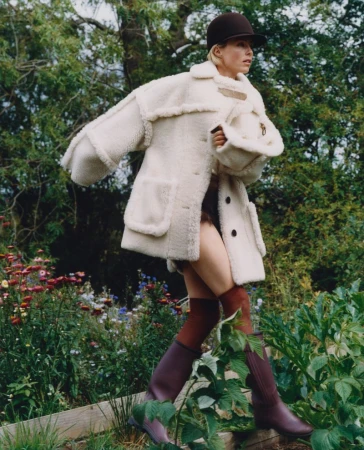
WSJ presents 'Edie,' an expansive editorial feature highlighting the versatile, tactile aesthetics of contemporary fashion. Centered on model Edie Campbell, the project leans into earthy, organic landscapes and minimalist studio settings to explore complex textures, from heavy shearling and wool to intricate fringe and sequins. Photographer Laura Jane Coulson captures the subject in dynamic, often contemplative poses that draw on equestrian-inspired themes and natural light. With fashion styling by Pau Avia, the visual narrative moves between the grit of analogue film techniques and clean, sharp studio compositions. The project reflects a focus on material quality and structural tailoring, further refined by the hair styling of Joe Burwin and makeup artistry by Mel Arter. The result is a cohesive, multifaceted editorial portrait that emphasizes both movement and stillness within diverse outdoor environments.
 Project
 Variety Magazine · WHO DO YOU BELIEVE
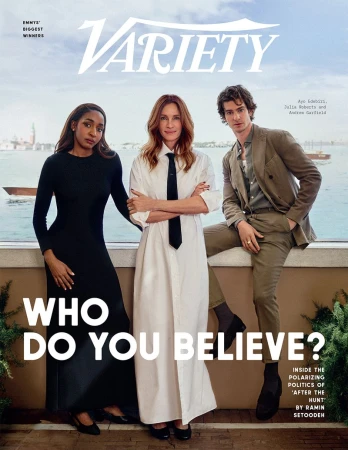
Variety Magazine presents its 'Who Do You Believe' feature, an editorial portrait series documenting an ensemble cast of actors. The collection centers on a series of group and individual character studies, utilizing clean, polished art direction to highlight the subjects. Photographed by Xavi Gordo, the imagery blends indoor studio sessions with open-air terrace setups. The series leans into a neutral color palette, featuring structured tailoring and minimal silhouettes. Key contributors include actors Andrew Garfield, Ayo Edebiri, Chloë Sevigny, and Julia Roberts, all styled in coordinated, high-contrast attire. The work emphasizes soft light and editorial typography across its various vertical layouts.
Explore other industries
Explore Visie's leading industries, projects, and the talented creatives representing them.