Icon Magazine Australia
Featured Icon Magazine Australia projects
This week's top Icon Magazine Australia projects, carefully handpicked by Visie's expert curators, showcase the best in style and innovation.
 Project
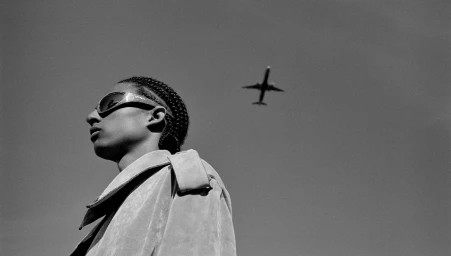
 Icon Magazine Australia · On The Road
For Icon Magazine Australia’s 'On The Road' project, photographer Jake Terrey delivers a transportive fashion editorial that leans into the grit and vastness of the open landscape. Moving between desolate industrial yards and sweeping coastal stretches, the series anchors its narrative in the textures of travel—rugged leather, structured trench coats, and patterned tailoring set against a backdrop of asphalt, sand, and heavy, overcast skies. Working with fashion stylist Kim Payne and hair stylist Mikele Simone, Terrey employs a distinctively tactile visual language. The project captures the interplay between the human form and mechanical silhouettes, utilising the high-contrast drama of monochrome film and the atmospheric warmth of natural light during the golden hour to emphasise a cinematic, documentary-style sensibility. The result is a series that captures a sense of solitude and transit, defined by clean lines and an analogue, grainy aesthetic.
 Project
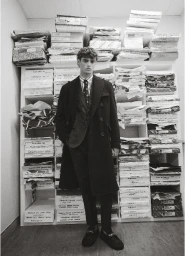
 Icon Magazine Australia · Pressed
Pressed, an editorial feature for Icon Magazine Australia, explores the intersection of high-end tailoring and industrial utility. Photographed by Julian Schulz, the series captures a dialogue between sharp menswear and the raw, mechanical environment of a commercial printing facility. Fashion styling by Kim Payne and grooming by Mikele Simone define the aesthetic, juxtaposing structured overcoats, patterned suits, and textured fabrics against a gritty backdrop of heavy machinery, stacked paper stock, and warehouse infrastructure. The imagery leans into a documentary-style, monochrome look, utilizing natural light and visible film grain to heighten the tactile quality of both the garments and the industrial setting.
 Project
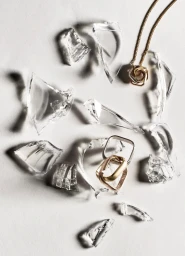
 Icon Magazine Australia · This is Why We Can't Have Nice Things
Icon Magazine Australia presents 'This is Why We Can't Have Nice Things,' a jewellery editorial that juxtaposes the permanence of luxury goods with the fragility of shattered glass. Creative director Haya Al-Sharif and photographer Cameron Bensley orchestrate a series of minimalist compositions, using sharp directional lighting to draw out the contrasting textures of polished metal and fractured crystal. Techniques such as macro framing and high-contrast chiaroscuro highlight the intricate details of gold chains, diamond tennis bracelets, and luxury timepieces. The project maintains a clean, architectural aesthetic, focusing on the tension between precise craftsmanship and the chaotic geometry of broken shards.
 Project
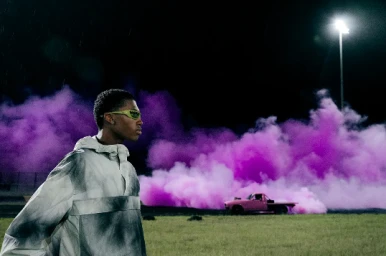
 Icon Magazine Australia · Smokeshow
Smokeshow is a high-octane fashion editorial project for Icon Magazine Australia that masterfully intersects contemporary street style with the gritty, mechanical world of automotive culture. Photographed by Simon Davidson, the series leans into a cinematic, moody aesthetic, utilising analogue film techniques to capture the raw energy of performance cars and drifting at a local track. The imagery channels a distinct retro-industrial mood through a combination of low-key chiaroscuro lighting and desaturated palettes. Throughout the series, fashion styling by Kim Payne serves as a focal point, pairing patterned streetwear and metallic textures against the backdrop of billowing smoke, vintage muscle cars, and overcast asphalt paddocks. Additional production credits include digital operation by David Deas and videography by Stream Dulnoan Peña.
 Project
 Icon Magazine Australia · Waiting Room
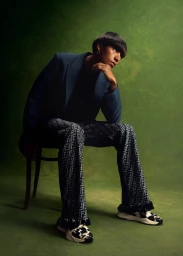
Waiting Room is a comprehensive fashion editorial for Icon Magazine Australia that explores the intersection of contemporary menswear, texture, and structural design. Through a series of studio-based portraits and still-life compositions, the project examines the interplay between subjects and their environments, often utilising chairs as both functional props and minimalist anchors. The visual language leans into a clean, editorial aesthetic, toggling between high-contrast monochrome and warm, natural light palettes. Photographers Michael Brunt and Justin Woo anchor the series, capturing the models—including Samir, Efraim, Noah Alef, Ton Heukels, and Marco Bellotti—in layered, tactile garments ranging from corduroy suits and beaded tailoring to patterned knitwear and denim. With fashion styling by Kim Payne and hair styling by Richi Grisillo, the work prioritises sharp silhouettes and intricate fabric detailing, effectively utilizing analogue-inspired film techniques to create a reflective, quiet atmosphere.
 Project
 Icon Magazine Australia · Jump Shot
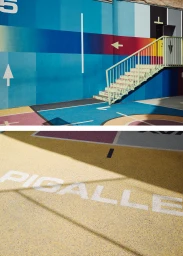
Jump Shot is an editorial fashion project for Icon Magazine Australia that blends athletic energy with gritty urban aesthetics. The series navigates a dialogue between high-fashion apparel—ranging from voluminous shearling outerwear and intricate custom prints to sharp tailoring—and the raw, weathered textures of city backdrops. Across the collection, the imagery balances polished product styling with a raw, street-level environment, frequently utilizing vibrant, geometric color-blocked basketball courts to provide a high-contrast foundation for the silhouettes. Creative direction is led by Marne Schwartz, with photography captured by Vladimir Marti and Justin Woo. The project showcases talent Remi Beugnez amidst dynamic, high-speed movement and contemplative portraits. The execution relies heavily on natural light and varied monochromatic and saturated palettes to emphasize the tactile quality of the textiles and accessories. Production was managed by Jean Marc Mondelet and Jean Luc Amarin.
 Project
 Icon Magazine Australia · Time Trawler
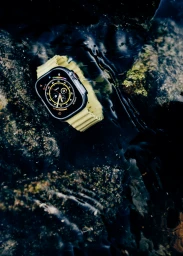
Time Trawler is a sharp product editorial for Icon Magazine Australia that explores the intersection of precision horology and rugged maritime textures. By nestling luxury timepieces among organic coastal elements—such as dark mussel shells, barnacle clusters, and fishing nets—the series channels a moody, high-contrast aesthetic that highlights the metallic sheen of each watch against raw, weathered surroundings. Photographer Michael Brunt and fashion stylist Kim Payne lean into a deliberate juxtaposition, pairing the sleek, manufactured forms of chronographs with found objects like rope, bait, and tide-worn stones. The execution utilises low-key lighting and macro-style framing to draw out the intricate details of the dials and bezels, resulting in a cohesive visual study that feels both tactile and cinematic.
 Project
 Icon Magazine Australia · Introversion
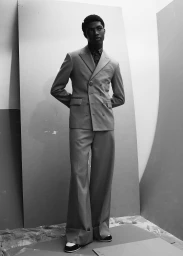
Introversion is a photographic fashion editorial produced for Icon Magazine Australia. The series focuses on the intersection of portraiture and sartorial detail, using minimalist studio settings and architectural backdrop panels to frame a range of tailored menswear. The execution leans into a moody aesthetic, often utilising high-contrast lighting and chiaroscuro techniques to draw out the tactile qualities of wool, leather, and knit fabrics. Photographer Julian Schultz captures a series of contemplative, intimate frames, supported by creative direction from Justin Woo and fashion styling by Kim Payne. The visual language is defined by a consistent monochrome palette and an analogue film quality, punctuated by occasional use of multiple exposure to create layered, ghosted forms. Featuring talent Kwesi, the project explores form and texture through a series of close-up and full-length portraits.
 Project
 Icon Magazine Australia · Kweshi ICON Magazine
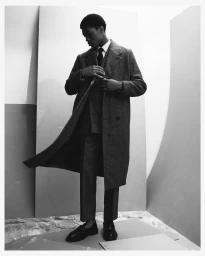
Kweshi ICON Magazine features an editorial fashion portrait captured by photographer Julian Schulz. The work utilizes a monochrome aesthetic to highlight the construction of the garments, focusing on a heavy tweed ensemble. The imagery leans into an analogue film quality, emphasizing textural detail and high-contrast lighting. By utilizing vertical framing and studio-based backdrops, the production captures a sculptural approach to contemporary fashion styling.
Explore other brands
Explore Visie’s leading industries, projects, and the talented creatives representing them.