WSJ
WSJ Magazine's defining fashion editorials, celebrity portraits and cultural features
Featured WSJ projects
This week's top WSJ projects, carefully handpicked by Visie's expert curators, showcase the best in style and innovation.
 Project
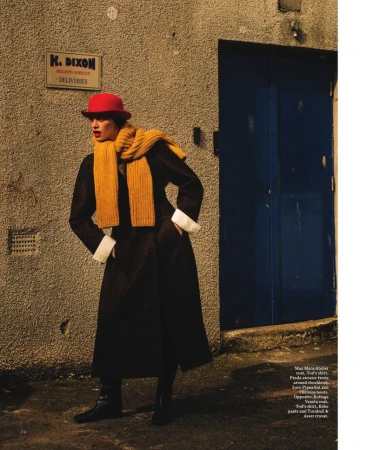
 WSJ · The Scenic Route
The Scenic Route is a fashion editorial feature for WSJ, captured by photographer Robbie Lawrence. The project explores a series of atmospheric, outdoor portraits that lean into a moody and nostalgic aesthetic. Utilizing natural light and golden hour illumination, the editorial contrasts structured garments against both rustic urban settings and vast, minimalist coastal landscapes. The series features model Flavie Sammartano, with fashion styling by Poppy Kain. The visual identity of the shoot relies on an analogue-inspired grain and a focus on layered, textural knitwear and outerwear. Hair styling by Rudi Lewis and makeup by Celia Burton complement the editorial tone, while casting was managed by Julia Lange under the direction of Editor-in-Chief Sarah Ball.
 Project
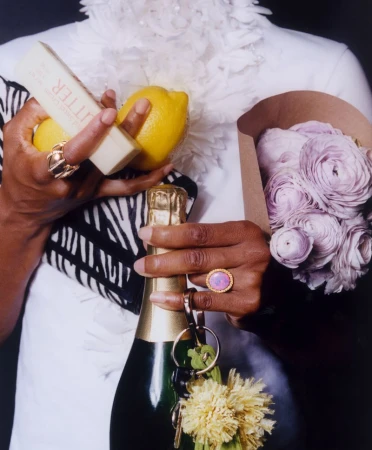
 WSJ · Girl Grip Goes Glam
Girl Grip Goes Glam is a fashion editorial feature for WSJ, exploring the interplay between luxury accessories and everyday objects. Through a series of tight, intimate compositions, the project focuses on the tactile nature of styling, layering ornate jewellery and high-end handbags against mundane items like takeaway coffee, packaged goods, and grocery items. Photographer Jackie Kursel employs a clean, directional aesthetic to highlight rich textures and saturated jewel tones. With set design by Megan Kiantos and intricate manicures by Nori, the series leans into a polished, editorial look that emphasizes detail and composition, utilizing both natural light and sharp macro techniques to elevate the subject matter.
 Project
 WSJ · The Tuxedo as You've Never See It Before
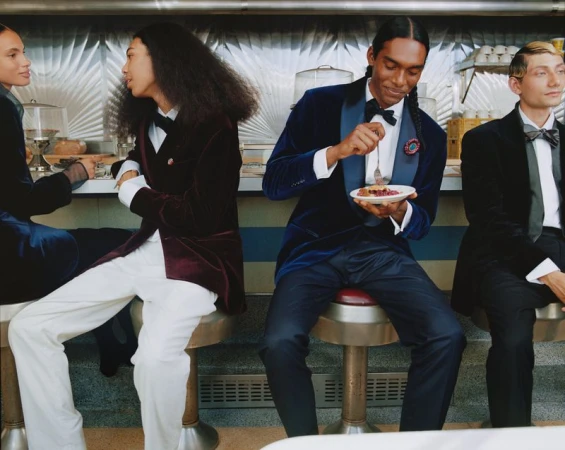
For their project titled "The Tuxedo as You've Never Seen It Before," WSJ explores the versatility of formalwear, deconstructing traditional silhouettes through a contemporary lens. The editorial captures models in both classic, structured tuxedo jackets and inventive, layered ensembles that challenge gender norms. By placing high-fashion tailoring within the mundane surroundings of vintage diners and stark architectural exteriors, the series juxtaposes elegance with everyday life. Photographer Nadine Ijewere anchors the visual narrative, utilizing natural light and clean framing to highlight the textures of velvet, crisp white cotton, and intricate floral detailing. Fashion editor Tonne Goodman leads the styling, supported by the hair artistry of Dylan Chavles and makeup by Fulvia Farolfi. Set designer Abby Walton provides the retro-inspired environments that define the series' polished, narrative aesthetic.
 Project
 WSJ · Olivia Dean
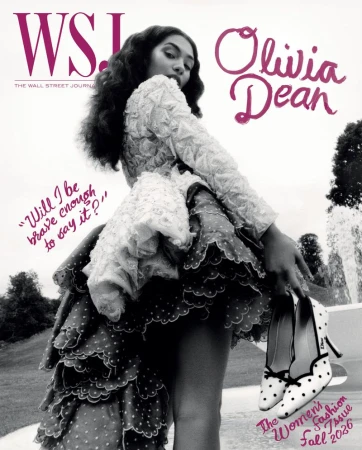
In this dynamic feature for the Wall Street Journal, singer Olivia Dean takes center stage, illustrating a masterful fusion of movement and static composition that defines contemporary media and entertainment portraiture. The campaign captures Dean through a series of high-energy editorial photographs that oscillate between the exuberant freedom of an outdoor park setting and the disciplined intimacy of a studio environment. Photographer Samuel Bradley leans into the versatility of monochrome aesthetics, utilizing high-speed freeze techniques to capture Dean mid-leap, umbrella in hand, against a stark, overexposed sky. This sense of kinetic energy is deftly balanced by the project's moody, low-key lighting sessions, where soft, cinematic chiaroscuro highlights Dean's natural poise. The editorial narrative is anchored by the precise work of fashion editor Gabriella Karefa-Johnson and fashion director Willow Lindley, whose styling choices emphasize textured silhouettes that pop against minimalist backgrounds. Supporting these visuals, hair stylist Sophie Jane Anderson and makeup artist Celia Burton refine the imagery with an understated, natural grace, while movement director Benjamin Jonsson ensures the physical performances remain authentic. By blending the raw, grainy textures of analogue film with meticulously controlled lighting, this work establishes a sophisticated visual vocabulary, proving that even within a traditional magazine layout, there remains vast potential for playful, movement-oriented storytelling that feels both timeless and vibrantly modern.
 Project
 WSJ · Edie
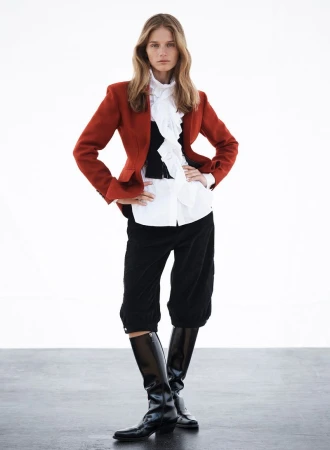
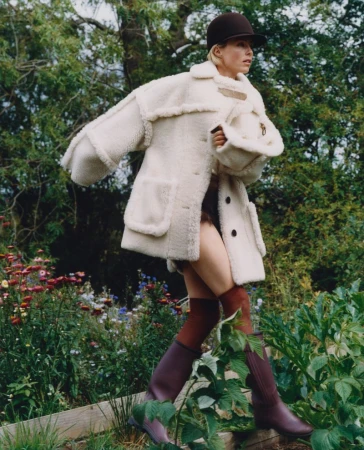
WSJ presents 'Edie,' an expansive editorial feature highlighting the versatile, tactile aesthetics of contemporary fashion. Centered on model Edie Campbell, the project leans into earthy, organic landscapes and minimalist studio settings to explore complex textures, from heavy shearling and wool to intricate fringe and sequins. Photographer Laura Jane Coulson captures the subject in dynamic, often contemplative poses that draw on equestrian-inspired themes and natural light. With fashion styling by Pau Avia, the visual narrative moves between the grit of analogue film techniques and clean, sharp studio compositions. The project reflects a focus on material quality and structural tailoring, further refined by the hair styling of Joe Burwin and makeup artistry by Mel Arter. The result is a cohesive, multifaceted editorial portrait that emphasizes both movement and stillness within diverse outdoor environments.
 Project
 WSJ · Luka's Revenge Tour
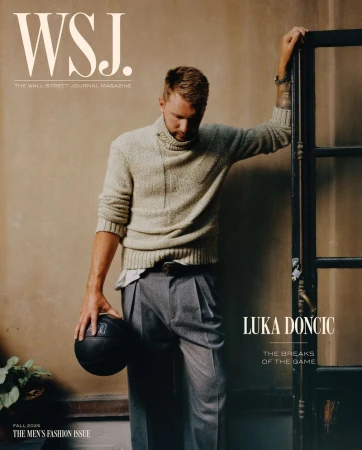
WSJ presents Luka's Revenge Tour, an editorial series featured in the publication's Men's Fashion Issue. The project captures athlete Luka Dončić in a range of environments, spanning architectural interior settings and lush garden backdrops. Photographer Jack Bool employs varied lighting techniques, transitioning between soft natural light and moody, low-key chiaroscuro setups to define the mood of each portrait. The series leans into a refined, textured aesthetic, with styling by Marcus Allen, hair grooming by Edward Lampley, and set design by Megan Kiantos. The collection incorporates editorial styles ranging from clean, minimal studio compositions to evocative, analogue-influenced frames.
 Project
 WSJ · Emily Blunt's Disappearing Act
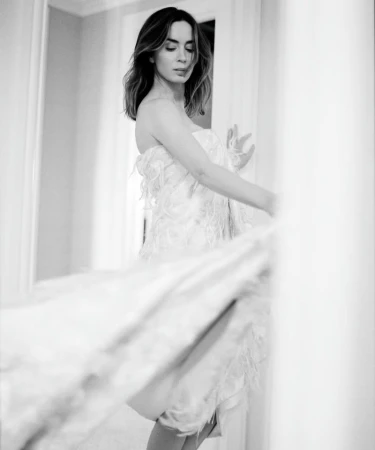
In a sophisticated editorial feature for The Wall Street Journal, photographer Sean Thomas masterfully captures actress Emily Blunt in a series of intimate, high-impact portraits that balance cinematic poise with raw, tactile elegance. The collection leans into an aesthetic of editorial minimalism, moving seamlessly between the high-contrast drama of chiaroscuro lighting and the clean, bright clarity of natural light to define the subject’s presence. With the impeccable guidance of fashion editor and stylist Tonne Goodman, Blunt is framed within architectural and domestic settings that provide a grounded, yet ethereal backdrop to her performance. The imagery feels less like a traditional media and entertainment campaign and more like a deliberate study of textures, utilizing a black and white palette to elevate the intricate lace and feather detailing of her attire. Technical precision from hair stylist Joey George, makeup artist Fulvia Farolfi, and manicurist Deborah Lippmann ensures that every detail, from the blur of a silk hem to the subtle patterns of a botanical backdrop, feels intentional and refined. By blending motion-blurred dynamism with the stillness of structured portraiture, the project creates a visual dialogue that feels both timeless and deeply personal, capturing a rare moment of stillness in an otherwise chaotic public persona for this compelling magazine feature.
 Project
 WSJ · Emily Blunt
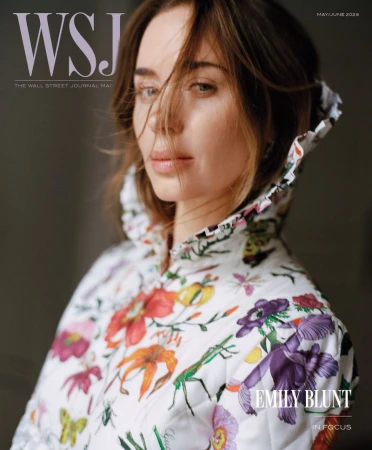
WSJ Magazine captures the multifaceted allure of actor Emily Blunt in this compelling editorial portrait series, seamlessly blending high-fashion sensibilities with an approachable, intimate tone. Photographer Sean Thomas utilizes natural light to frame Blunt in a variety of settings, ranging from the structured, sculptural elegance of an ornate elevator lobby to the quiet, domestic comfort of a bedroom. Through a sophisticated lens, the editorial leans into a palette of soft textures and delicate embroidery, allowing the subject to inhabit a space that feels both aspirational and deeply personal. The collaboration benefits significantly from the sharp eye of fashion editor Tonne Goodman, who curates ensembles that balance ornate, botanical-print outerwear with the clean, minimalist lines of relaxed loungewear. Each frame is meticulously polished, benefiting from the subtle, nuanced work of hair stylist Joey George and makeup artist Fulvia Farolfi, who lean into a natural aesthetic to ensure the imagery remains grounded. By oscillating between sharp, high-key editorial portraiture and candid, soft-focus lifestyle shots, the series offers a cohesive narrative that speaks to the magazine's commitment to refined visual storytelling. The final output resonates as a masterclass in celebrity portraiture, proving that authenticity, when captured with such precision and artistic intent, remains the most powerful tool in the media and entertainment editorial landscape.
 Project
 WSJ · Victoria Beckham by Daniel Jackson
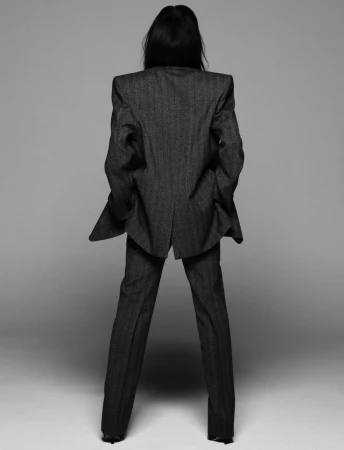
In this sophisticated fashion campaign for WSJ, photographer Daniel Jackson masterfully captures the essence of Victoria Beckham, blending architectural structure with a timeless, minimalist aesthetic. The project, which centers on a series of refined portraits, leans into editorial minimalism to highlight the precision of high-end tailoring. Jackson utilizes a mastery of studio strobe lighting to emphasize the texture of herringbone wools and crisp white blazers, while shifting between high-contrast monochromatic grading and softer natural light to create depth within the neutral, seamless studio environment. The imagery achieves a cinematic quality, with Beckham presented in a series of poised, confident postures that reinforce her status as a global style icon. Collaboration was key to this visual narrative, featuring the deliberate, sharp styling of Louise Ford, who ensures every lapel and silhouette reads with intentionality. The production is further elevated by the deliberate hair styling of Ken Paves and the nuanced makeup application by Wendy Rowe, which keep the focus squarely on the sharp lines of the apparel and the subject’s composed demeanor. By stripping away extraneous detail, Jackson allows the intersection of luxury fashion houses and contemporary portraiture to take center stage, resulting in a cohesive series that feels both classic and distinctly modern in its execution and visual restraint.
 Project
 WSJ · Harbour
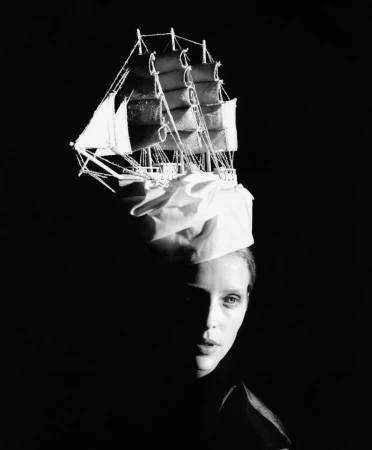
Harbour, a striking editorial campaign for WSJ, reimagines nautical motifs through a lens of high-fashion surrealism. Photographer William Waterworth masterfully translates this maritime theme into a series of disciplined compositions, utilizing chiaroscuro lighting to elevate the collection into a study of form and texture. By weaving together industrial rigging, literal anchors, and even sculptural ship headpieces, the imagery pushes the boundaries of traditional luxury fashion portraiture. The project leans heavily into editorial minimalism, with a stark monochromatic palette that allows the exquisite tailoring of the garments to take center stage. Under the meticulous styling of Harry Lambert, models Abby Champion and Finnlay Davis inhabit an aesthetic that feels simultaneously vintage-inspired and cutting-edge, balanced by the clean precision of studio strobe lighting. The collaborative vision extends to the nuanced contributions of hair stylist Hikaru and makeup artist Holly Silius, who amplify the graphic quality of each frame, while set designer Kelly Infield creates a cohesive, conceptual space that honors the project's rigid, maritime-leaning DNA. Through a blend of live-action technique and analogue-inspired film sensibilities, Harbour stands as a masterclass in atmospheric branding. It channels a serene yet imposing stillness, effectively positioning the wardrobe as an extension of the architectural set, resulting in a cohesive, polished visual narrative that feels both timeless and deeply experimental.
 Project
 WSJ · ROMAN HOLIDAY
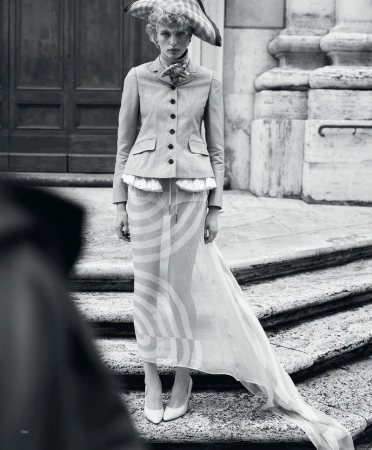
In Roman Holiday, a high-fashion editorial spread for WSJ, photographer Bruno Staub masterfully captures the intersection of classic architectural grandeur and modern silhouette. Leaning into the nostalgic allure of European cityscapes, the campaign functions as a love letter to cinematic luxury, where the juxtaposition of rustic masonry and polished street aesthetics sets the stage for a compelling sartorial narrative. Fashion editor and stylist Tony Irvine curates an impressive array of structured blazers, tiered gowns, and voluminous tailoring, each piece meticulously selected to resonate against the backdrop of weather-worn cobblestones and grand stone staircases. The project, brought to life through the effortless poise of model Karolina Spakowski, utilizes high-contrast black and white photography to emphasize the intricate textures of sheer fabrics, ruffled hems, and metallic details. Kalle Eklund’s work on the hair styling, featuring soft, voluminous curls, complements the vintage-inspired elegance of the looks, while Mary Cesardi’s makeup artistry rounds out the refined aesthetic. By expertly employing natural light and chiaroscuro techniques, the team creates a sequence of images that transcend traditional fashion photography, moving into the realm of visual storytelling. The resulting editorial is a sophisticated exploration of form and environment, where every frame feels like a deliberate, timeless moment frozen within the bustling rhythm of a dreamlike, urban world.
 Project
 WSJ · Nadège Vanhée & The House of Hermès
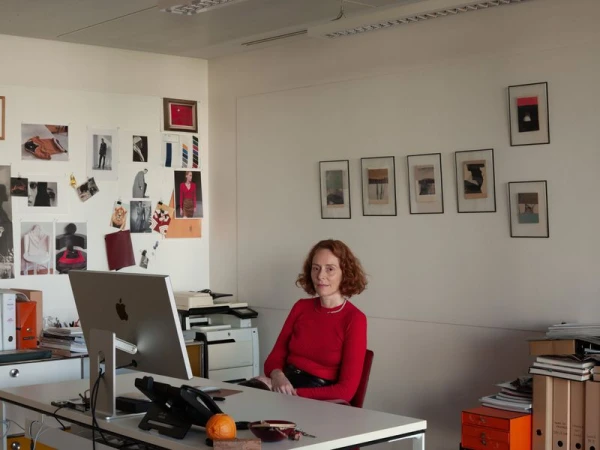
WSJ Magazine captures a portrait of creativity and luxury in this editorial feature documenting Nadège Vanhee-Cybulski and the House of Hermès. Through a series of images, the project juxtaposes the refined, minimalist aesthetic of contemporary fashion with moments of irreverent playfulness and architectural detail. Photographer Nigel Shafran utilizes natural light to frame the subject across both professional and urban environments, from the clean lines of a studio workspace to the historic textures of Paris. Fashion editor and stylist Rae Boxer grounds the narrative, integrating high-fashion sensibilities with surreal elements and structural compositions. The editorial highlights the intersection of modern luxury and heritage design through a mix of candid portraits and staged urban scenes, unified by a clean, editorial photographic style.
Explore other brands
Explore Visie’s leading industries, projects, and the talented creatives representing them.