The Plant Magazine
Featured The Plant Magazine projects
This week's top The Plant Magazine projects, carefully handpicked by Visie's expert curators, showcase the best in style and innovation.
 Project
The Plant Magazine · In Full Bloom
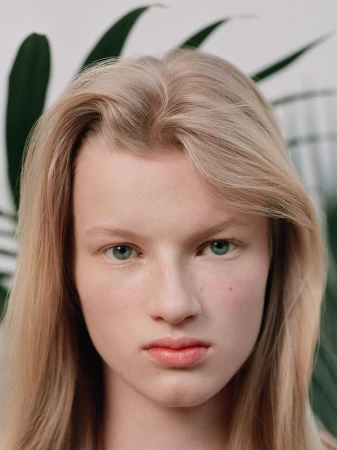
The Plant Magazine’s editorial series, In Full Bloom, explores botanical motifs through a refined lens. Featuring photography by Lola Raban Oliva, the project leans into a soft, minimalist aesthetic to frame its subject against organic textures and intricate floral elements. Fashion styling by Virginie Benarroch provides a tactile layer, incorporating detailed appliqué and embroidery, while set design by Giovanna Martial establishes a cohesive, nature-inspired visual field. The editorial is supported by hair styling from Joseph Pujalte and makeup by Patrick Glatthaar, utilizing natural light and clean composition to maintain a consistent editorial tone.
 Project
The Plant Magazine · Symphony in Bloom
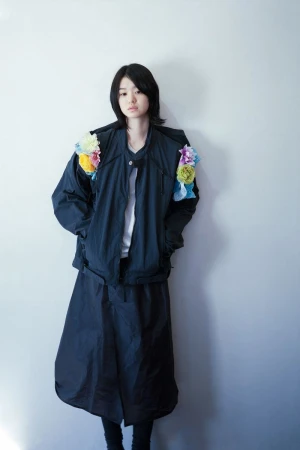
Symphony in Bloom for The Plant Magazine is an evocative editorial project that masterfully interrogates the intersection of industrial design and delicate, organic life. Through the lens of photographer Takashi Homma, the series employs editorial minimalism and natural light to create a visual dialogue between rigid, structured fashion and whimsical, three-dimensional floral ornamentation. The project transcends traditional portraiture by layering artificial blossoms—often obscuring the subjects or acting as surreal, sculptural appendages—against the stark, clean lines of neutral urban settings. This tension is further explored through a compelling juxtaposition of technology and nature, where Moog synthesizers and audio gear are adorned with silk petals, suggesting a harmony between analog sound and aesthetic beauty. With styling by Hisato Tasaka, the garments transition from formal charcoal coats to layered, casual knitwear, all serving as a canvas for the vibrant fabric blooms that define the project’s central motif. Supported by the precise artistry of makeup artist Takenaka, the images maintain a consistent, ethereal atmosphere, favoring soft, diffused lighting that highlights intricate textures, from the subtle weave of tweed to the crisp geometry of modern cutouts. Symphony in Bloom reads as an exploration of artifice, creating a calm yet vivid space where the organic world infiltrates the structured reality of daily life, resulting in a refined and thought-provoking editorial statement.
 Project
The Plant Magazine · Right After the Winter
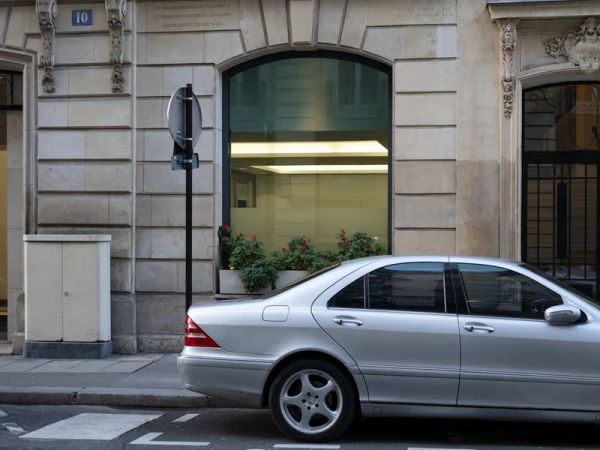
Right After the Winter for The Plant Magazine serves as an evocative visual exploration of seasonal transition, capturing the fragile dialogue between urban architecture and the awakening natural world. Through a lens that leans into editorial minimalism, the project masterfully documents the intersection of life and the city during those quiet, shifting weeks as winter yields to spring. Photographer Federico Torra employs a consistent palette of natural light to illuminate the stark contrast between sterile, man-made environments and the organic emergence of delicate blossoms. By pairing shots of discarded cardboard and urban stone facades with the intimate, high-art observation of cherry branches resting in kitchen sinks or across desks, the work elevates mundane domestic spaces into quiet, fine art meditations. The imagery prioritizes a clean, reportage aesthetic that feels both grounded and deeply reflective, utilizing the subtle textures of petals, weathered masonry, and everyday plastic to narrate a story of growth. Each composition functions as a botanical documentary, where the juxtaposition of vibrant yellow daffodils and pink cherry buds against the muted grey of sidewalks highlights the persistence of nature. This collection of lifestyle photography captures the essence of a city in flux, offering a serene, disciplined perspective on the landscape that defines the publication's signature commitment to a thoughtful, nature-centric narrative.
 Project
The Plant Magazine · Julie Hoomans shot by B&S
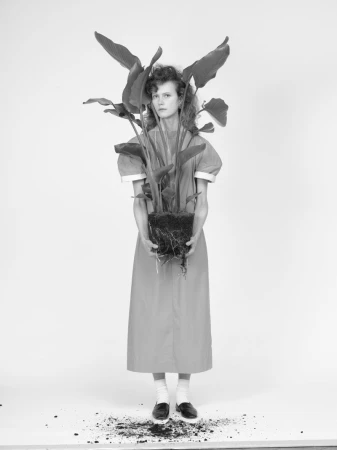
In this evocative series for The Plant Magazine, photographers Anuschka Blommers and Niels Schumm explore the intersection of fashion and botanical art through a distinctively graphic lens. Featuring model Julie Hoomans, the project serves as a masterclass in editorial portraiture, utilizing a sharp visual language that juxtaposes structured luxury fashion against natural elements and large-scale landscape prints. The aesthetic leans into a surreal interplay of textures, where the artificial and organic collide to create a compelling, layered narrative. Under the expert eye of stylist Danielle van Camp, Hoomans is draped in eclectic ensembles that feel both contemporary and timeless. The production benefits immensely from the meticulous hair styling by Hester Wernert and nuanced makeup by Kathinka Gernant, which together anchor the subject's voluminous, textured curls and direct, arresting gaze. Throughout the shoot, the team employs a mix of natural light and studio strobe techniques, occasionally incorporating the raw, tactile quality of analogue 35mm film to heighten the visual impact. The resulting portraits transcend traditional fashion photography, functioning instead as conceptual studies that examine human presence within carefully curated environments. By blending minimalist composition with a high-key aesthetic, the collaboration produces a series that is as intellectually rigorous as it is visually arresting, solidifying its place as a definitive example of modern editorial excellence.
 Project
The Plant Magazine · The Plant Magazine Spring summer 202 ...
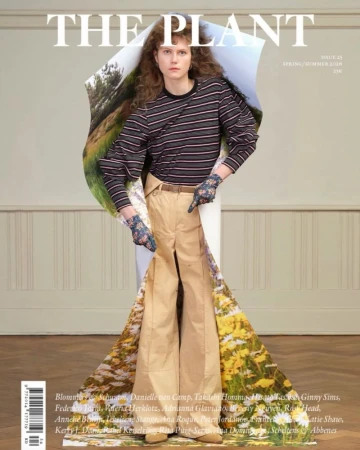
For its Spring/Summer 2020 issue, The Plant Magazine leans into a sharp, conceptual aesthetic that redefines traditional editorial portraiture. In this latest release, the publication pushes the boundaries of visual storytelling by merging botanical motifs with rigorous, high-fashion sensibilities. Captured through the lens of photographers Anuschka Blommers and Niels Schumm, the cover feature utilizes controlled studio strobe lighting to create a clinical yet deeply evocative mood that centers on model Julie Hoomans. The imagery is marked by a deliberate sense of structural tension, where the juxtaposition of a printed landscape element against a minimalist wainscoted backdrop emphasizes a dialogue between organic forms and human geometry. Fashion editor and stylist Danielle van Camp curates a look that is both grounded and avant-garde, utilizing tactile layers and subtle patterns to anchor the composition. The execution relies on a refined, restrained palette that allows the interplay of texture and light to take center stage, reflecting the magazine’s commitment to sophisticated, art-forward design. By weaving together the technical precision of the studio environment with an experimental approach to framing, the team delivers a quintessential example of modern magazine media that challenges the viewer to look beyond the surface. This project stands as a testament to the power of collaborative creative direction, offering a compelling narrative that feels both timeless and distinctly contemporary within the global publishing landscape.
 Project
The Plant Magazine · Splitter Splatter
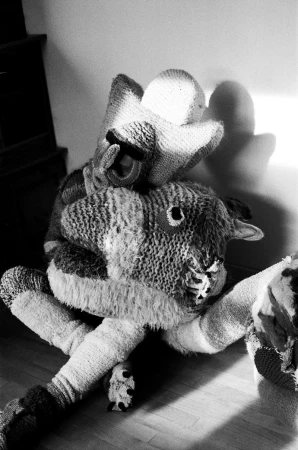
In the striking editorial feature Splitter Splatter, The Plant Magazine pushes the boundaries of textile craft and contemporary fashion through an experimental lens. Captured with a tactile sensibility, the project explores the interplay between human form and sculptural knitwear, leaning into a surrealist aesthetic that feels both whimsical and deeply grounded in artisanal traditions. Photographer Annelie Bruijn masterfully documents these elaborate, hand-knitted costumes, which range from vibrant, creature-like structures to geometric, high-contrast fashion pieces. Under the creative vision of fashion director Julie Ragolia, the narrative unfolds across rural landscapes and quiet, domestic interiors, utilizing natural light to accentuate the complex layering of yarns, sequins, and embroidery. Model Iekeliene Stange brings a performative energy to the work, moving through fields and structured settings while draped in colorful, patchwork garments that often obscure the face, heightening the project's mysterious, fine art quality. The integration of 35mm film adds a cinematic texture, further emphasizing the contrast between the muted, organic surroundings and the bold, kaleidoscopic textiles. Ultimately, Splitter Splatter stands as a compelling study in materiality, where the juxtaposition of rough, rustic environments and intricate,手工-made crochet work results in an evocative visual language that celebrates the expressive potential of experimental knitwear within a modern lifestyle editorial framework.
 Project
The Plant Magazine · Photography by Stella Berkofsky
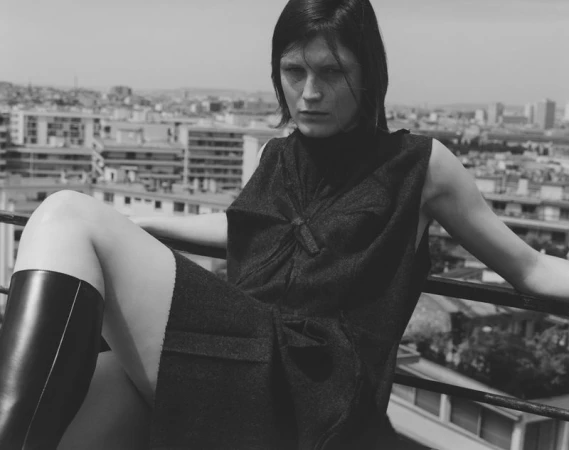
This fashion editorial for The Plant Magazine features a series of portraits and full-body compositions by photographer Stella Berkofsky. The work leans into a raw, naturalistic aesthetic, primarily utilising natural light to capture subjects against expansive urban rooftop backdrops and diffused, pale skylines. Fashion editor and stylist François Gravel leads the wardrobe choices, alternating between structured, textured layers and minimalist silhouettes. The imagery maintains a tactile quality, focusing on clean compositions and subtle details in both the subjects' expressions and their layered garments.
 Project
The Plant Magazine · Bruno Amadi
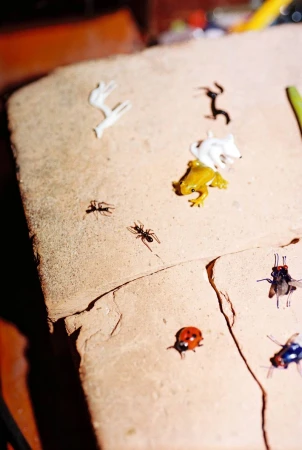
This editorial feature for The Plant Magazine highlights the intricate glasswork of artisan Bruno Amadi. The series documentation moves between the craftsman’s private studio, his creative tools, and close-up portraits of his hyper-realistic lampwork sculptures. Photographer Adrianna Glaviano captures the tactile nature of the work, utilizing techniques such as macro focus and on-camera flash to highlight the fine details of glass insects and botanical figures. The resulting imagery emphasizes the textures of both the artist’s hands and the terracotta environment of his workshop, presented through a clean and warm editorial aesthetic.
 Project
The Plant Magazine · OPEN DOOR
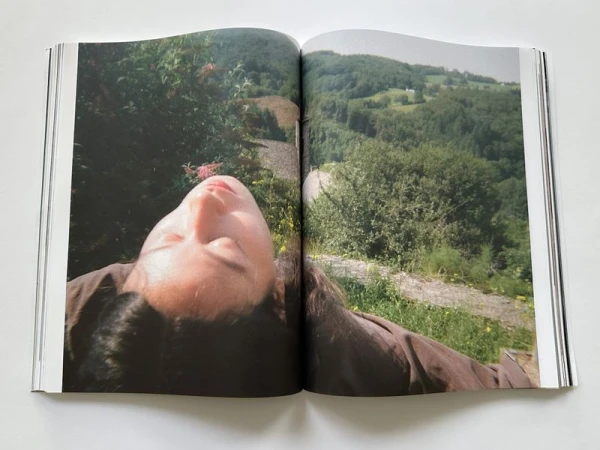
The Plant Magazine explores the intersection of botany and lifestyle in the 'OPEN DOOR' editorial project. Featuring photography by Osma Harvilahti, the series documents a collection of natural and architectural studies. Defined by a reliance on natural light, the visuals shift between expansive landscapes and intimate, tactile observations. The work balances clean, minimalist interior frames with earthy, organic garden details, utilising varied techniques such as flash and raw texture to capture diverse subjects ranging from blooming flora to weathered structural elements.
 Project
The Plant Magazine · After School
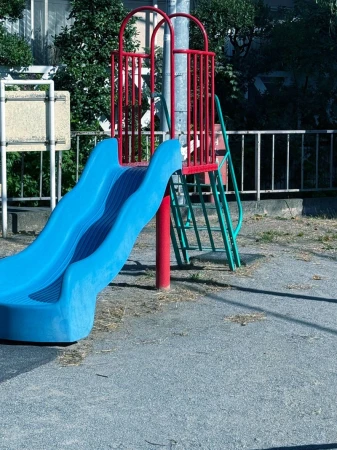
After School is an editorial feature for The Plant Magazine, presenting a visual exploration of public spaces and unstructured childhood activity. Captured by photographer Takashi Homma, the project uses a documentary approach to document urban parks, playgrounds, and the dynamic interplay between architecture and play. The imagery spans various settings, from vibrant, primary-colored equipment to quiet, snow-dusted winter scenes. Employing a clean editorial layout, the spreads balance high-angle aerial perspectives with candid, ground-level observations. The series leans into natural light and analogue film techniques to emphasize the candid atmosphere of the environments. By focusing on both the architectural lines of recreational structures and the quiet details of daily life, the work offers a study in public space dynamics.
Explore other brands
Explore Visie’s leading industries, projects, and the talented creatives representing them.