
- Home
- ·Creatives
- ·Photographer
- ·Robert Polidori

Robert Polidori


Bio
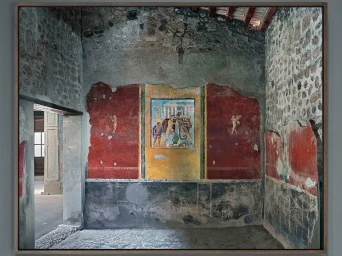
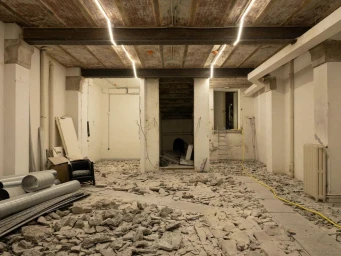
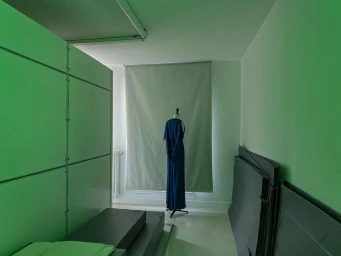
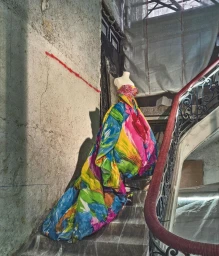
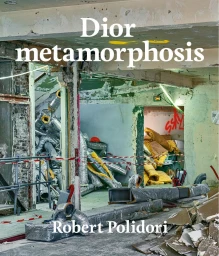
Born in 1951 in Montreal, Robert Polidori has established himself as one of the foremost architectural photographers in the world. Renowned for his meticulously detailed, large-scale color photographs, Polidori’s work transcends traditional architectural photography. His images serve as powerful visual narratives that weave together the threads of history and modernity, capturing a poignant moment in time without succumbing to nostalgia. Instead, they evoke the richness of absolute reality, inviting viewers to engage deeply with the spaces he portrays. Now based in New York, Polidori has exhibited extensively across the United States, Paris, and Germany, marking a significant milestone with his first solo exhibition in the UK at Flowers Central in September 2005. His recent museum exhibitions include prestigious venues such as the Martin Gropius Bau in Berlin and the Metropolitan Museum of Art in New York. As a staff photographer for The New Yorker, Polidori embarks on journeys to some of the most remote and restricted locations around the globe. He is captivated by the remnants of life found in forgotten hallways, abandoned rooms, and weathered facades. His photographs are a compelling blend of seduction and melancholy, illuminating the vibrant colors and textures of cities often left in decay, including Chernobyl, Versailles, Havana, and most recently, New Orleans in the wake of Hurricane Katrina. Polidori's contributions to photography have not gone unrecognized; he won the World Press Award in 1998 and has received the Alfred Eisenstaedt Award for Magazine Photography twice (1999 and 2000). He is the author of eleven photo books, with notable titles including "After The Flood" (Steidl, 2006) and a three-volume compilation focusing on Versailles, "Robert Polidori: Parcours Museologique Revisite" (Steidl, 2009). His work has been the subject of major solo exhibitions, including a mid-career retrospective at the Musée d’art contemporain de Montréal, and is held in the permanent collections of esteemed institutions such as the Metropolitan Museum of Art, the Museum of Modern Art in New York, the Los Angeles County Museum of Art, the Victoria and Albert Museum in London, and the Bibliothèque Nationale in Paris.