
- Home
- ·Creatives
- ·Illustrator
- ·Kehinde Wiley
Kehinde Wiley
Bio
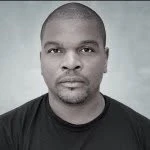
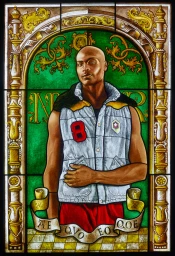
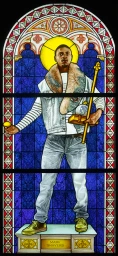
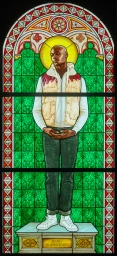
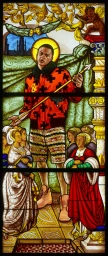
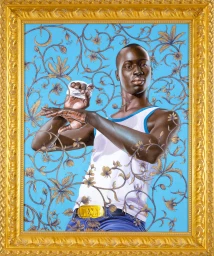
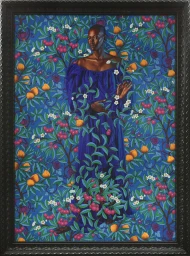
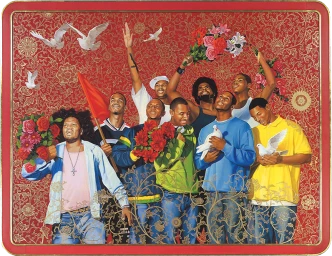
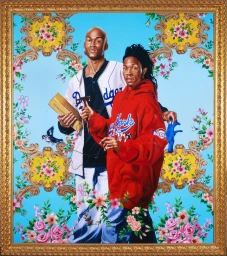
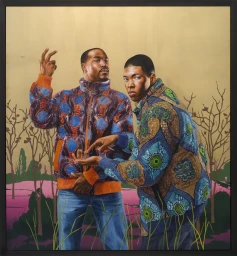
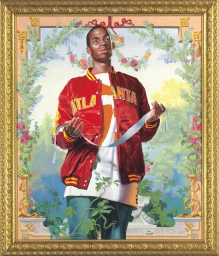
Kehinde Wiley, a Los Angeles native and New York-based visual artist, has become a pivotal figure in the realm of contemporary portraiture, deeply rooted in the rich tradition of art history. Drawing inspiration from a lineage of portraitists that includes illustrious names such as Reynolds, Gainsborough, Titian, and Ingres, Wiley masterfully reinterprets the visual language of glory, power, and prestige to celebrate urban black and brown men from diverse backgrounds. His work confronts and challenges conventional portraiture, creating a dynamic interplay between the heroic and the everyday. By juxtaposing grand stylistic references with subjects from the urban landscape, Wiley instills a sense of ambiguity and provocation, inviting viewers to reconsider entrenched notions of masculinity and representation. His larger-than-life figures not only disrupt traditional tropes but also provoke critical dialogue around identity and societal perceptions of black and brown youth. Wiley's artistic journey began with intimate portraits of young men encountered on the streets of Harlem. As his vision expanded, he embraced a global perspective, sourcing models from vibrant urban centers such as Mumbai, Dakar, and Rio de Janeiro, culminating in his acclaimed series, “The World Stage.” In these works, models don everyday attire that reflects a blend of contemporary style and historical references, posing in ways reminiscent of classical art. This striking synthesis of the old and the new generates a powerful discourse that is both visceral and intellectually engaging. Unflinching in his exploration of complex socio-political histories, Wiley's figurative paintings and sculptures serve as a profound commentary on power dynamics and representation. By quoting historical sources and situating young black men within the continuum of art and history, he creates a modern narrative that resonates with urgency. His work not only evokes a contemporary aesthetic but also confronts the pressing issues that many would prefer to remain unspoken, making him a vital voice in today’s artistic landscape.