
Landscape Photography: Capturing the Natural World
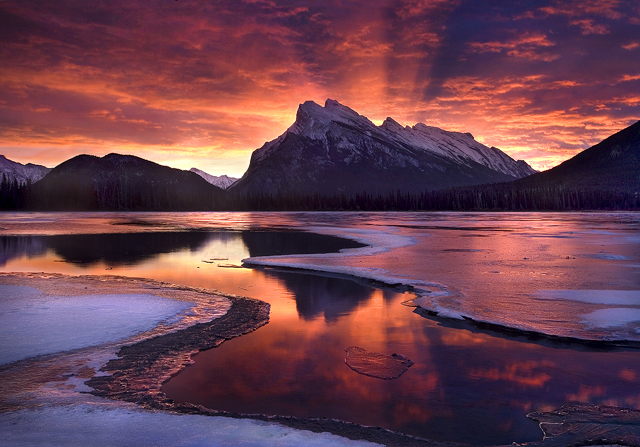
Landscape photography, the practice of capturing outdoor scenes in a way that portrays the beauty, grandeur, and tranquility of the natural world, has long been a beloved genre among photographers and viewers alike. This art form has evolved significantly over time, shaped by technological advancements and the unique perspectives of pioneering photographers.
A Brief History of Landscape Photography
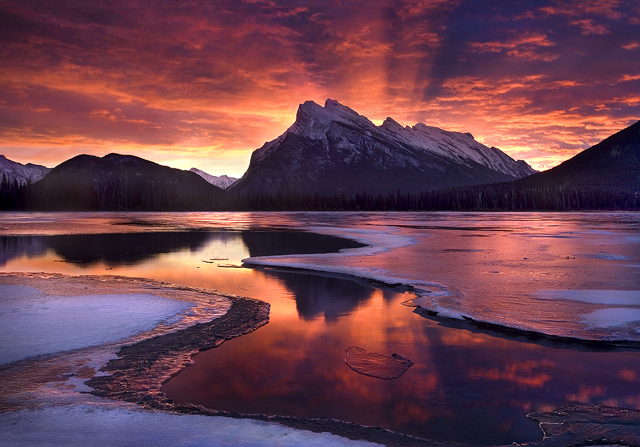
Galen Rowell
The roots of landscape photography can be traced back to the early 19th century with the invention of the camera. The genre began to flourish in the mid-1800s, thanks in large part to the work of pioneers like Carleton Watkins and Eadweard Muybridge, who captured the awe-inspiring landscapes of the American West. Their work not only showcased the natural beauty of these regions but also played a role in the establishment of national parks.
Ansel Adams is perhaps the most iconic name in landscape photography. His stunning black-and-white images of the American wilderness, particularly Yosemite National Park, are renowned for their clarity, composition, and emotional depth. Adams was also a passionate conservationist, using his photography to advocate for the protection of natural landscapes.
Other notable landscape photographers include Edward Weston, whose close-up images of natural forms exhibit a deep appreciation for texture and detail, and Galen Rowell, who combined his skills as a climber and photographer to capture dramatic images of remote and rugged terrains.
Key Considerations for Landscape Photographers
Composition and Framing
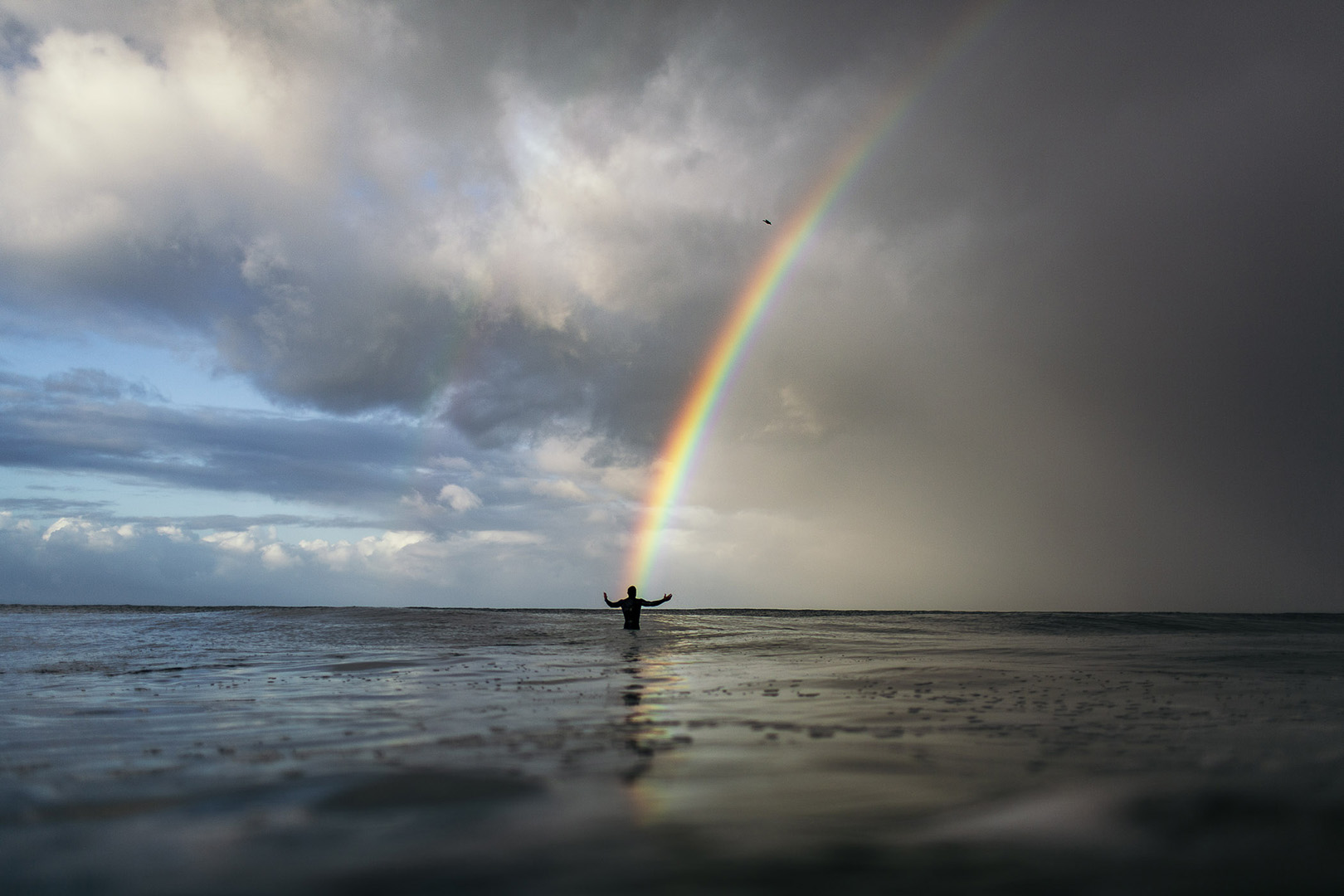
Image Mark Clinton
One of the most critical aspects of landscape photography is composition. Photographers must decide how to arrange the elements within the frame to create a balanced and aesthetically pleasing image. Techniques such as the rule of thirds, leading lines, and natural framing can help guide the viewer's eye through the photograph and highlight the main subject.
Lighting

Image Derek Henderson
Lighting plays a crucial role in landscape photography. The quality, direction, and intensity of light can dramatically alter the mood and appearance of a scene. Many landscape photographers prefer shooting during the "golden hours" — shortly after sunrise and before sunset — when the light is soft, warm, and directional, casting long shadows and enhancing textures.
Weather and Timing
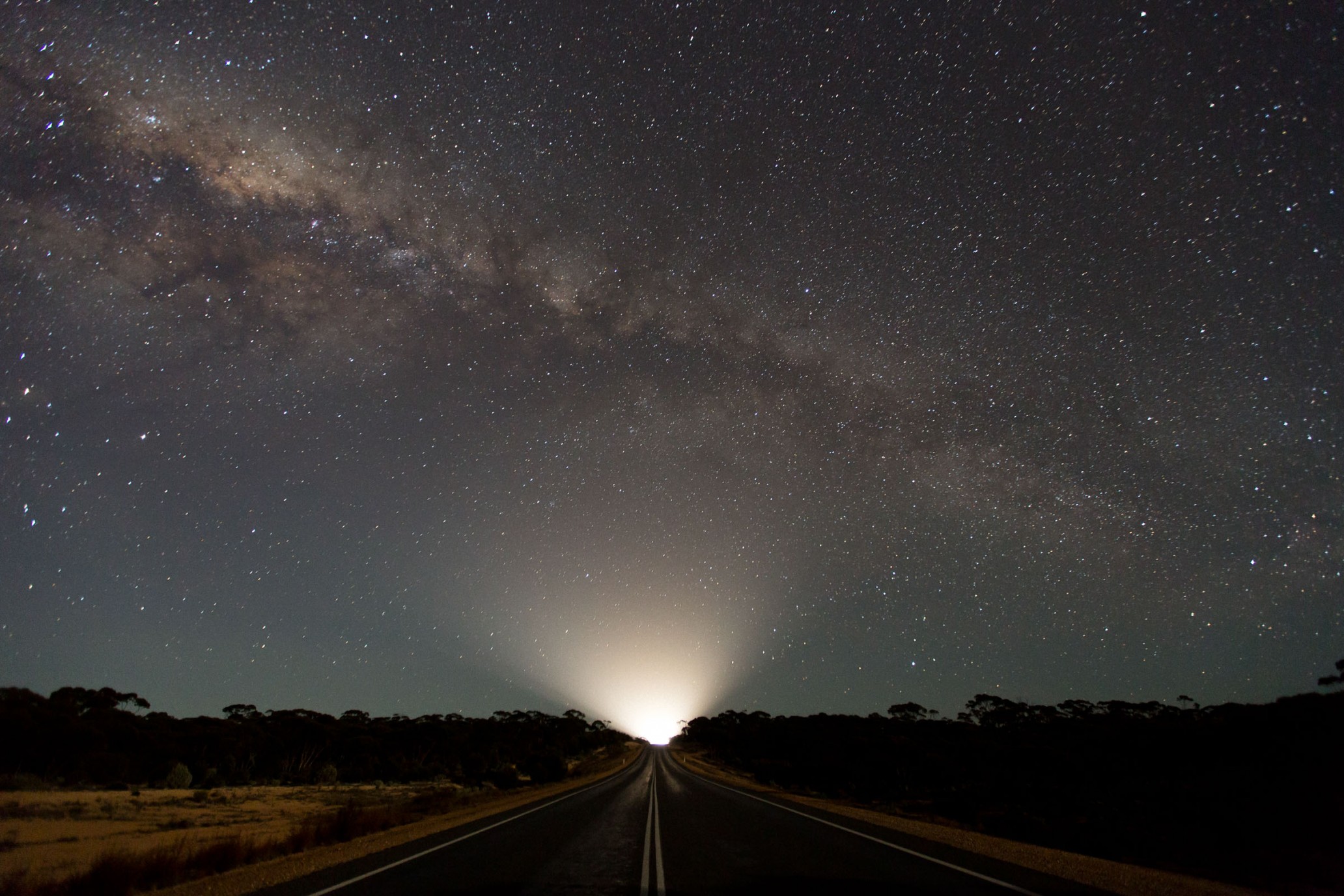
Image David Maurice
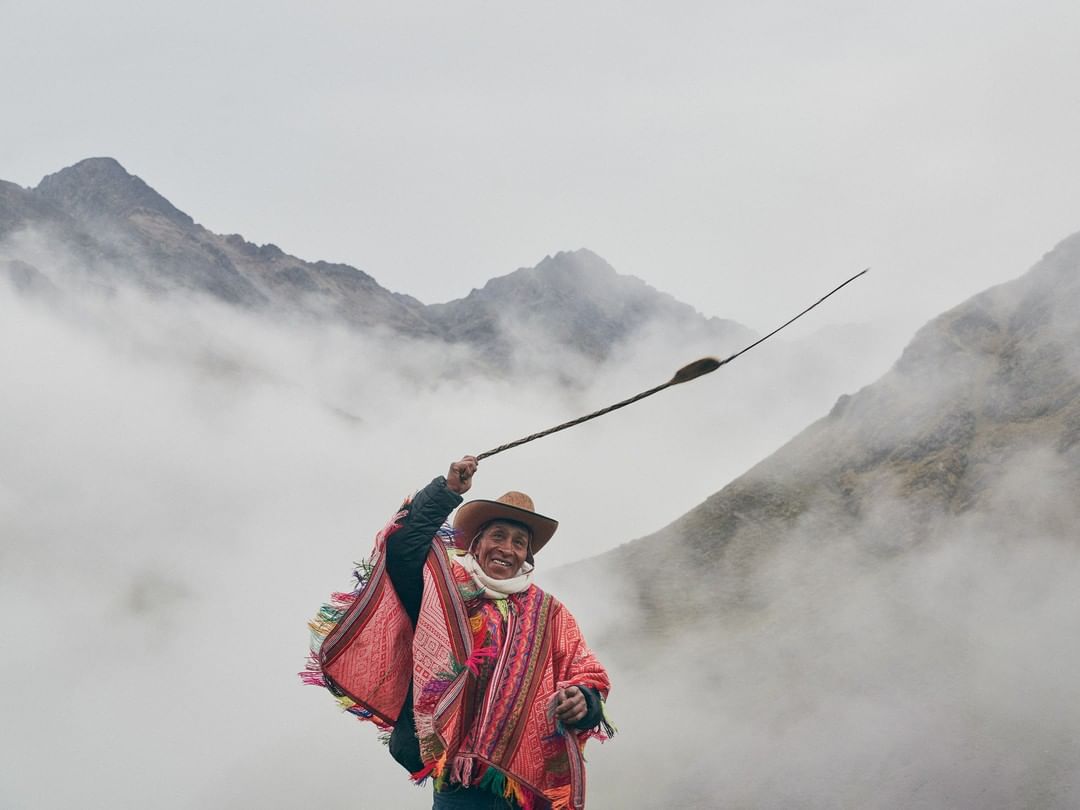
Weather conditions can significantly impact the outcome of a landscape photograph. Photographers often need to be patient and flexible, waiting for the perfect moment when the weather conditions align with their vision. Clouds, fog, rain, and snow can add drama and mood to a scene, while clear skies can highlight the expansive beauty of the landscape.
Perspective and Scale
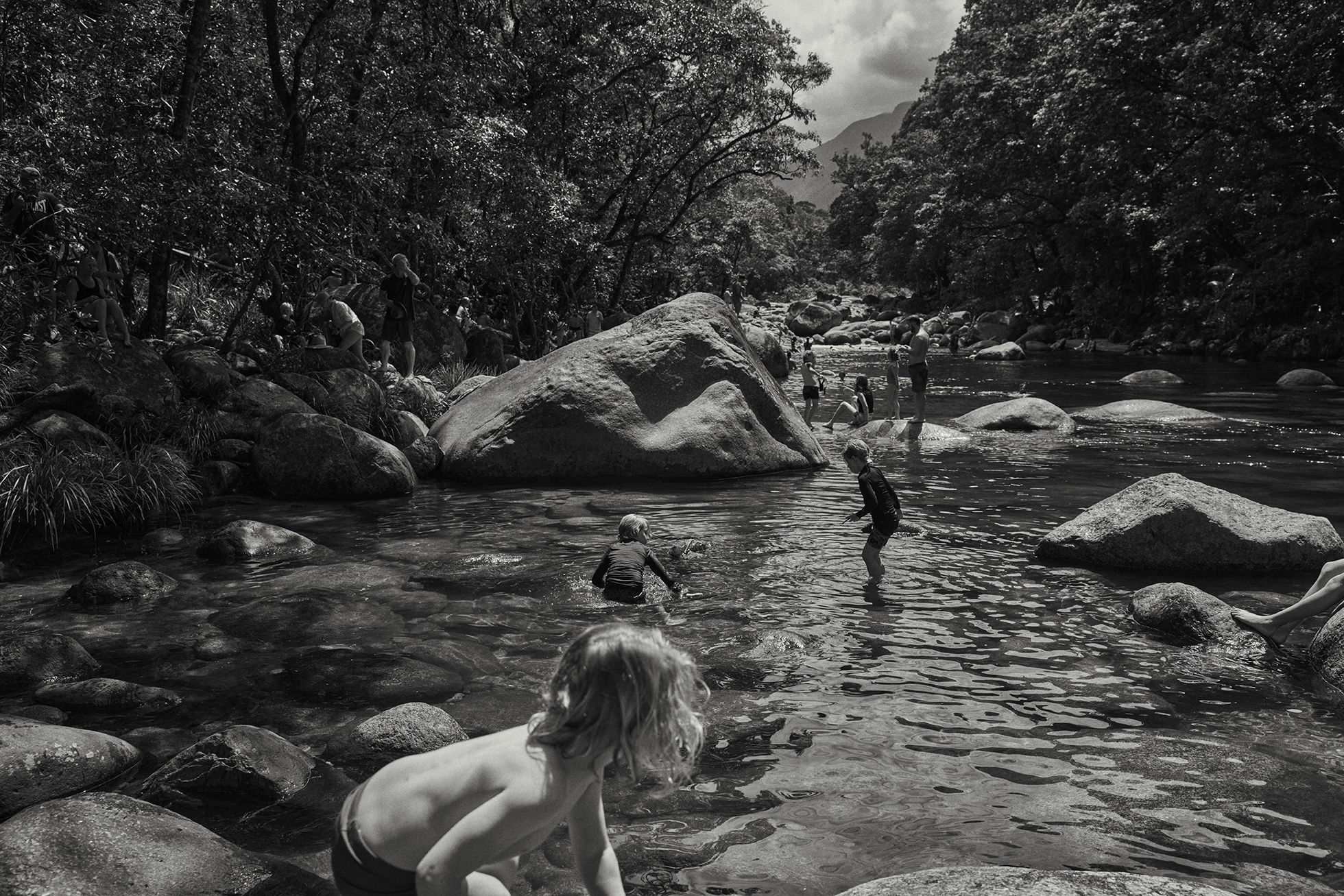
Photo Damian Bennett
Choosing the right perspective is essential for conveying the scale and grandeur of a landscape. Photographers might use wide-angle lenses to capture a broad view of the scene, or telephoto lenses to isolate specific elements and create a sense of intimacy. Including elements such as trees, people, or animals can provide a sense of scale and help viewers relate to the vastness of the landscape.
Technical Considerations
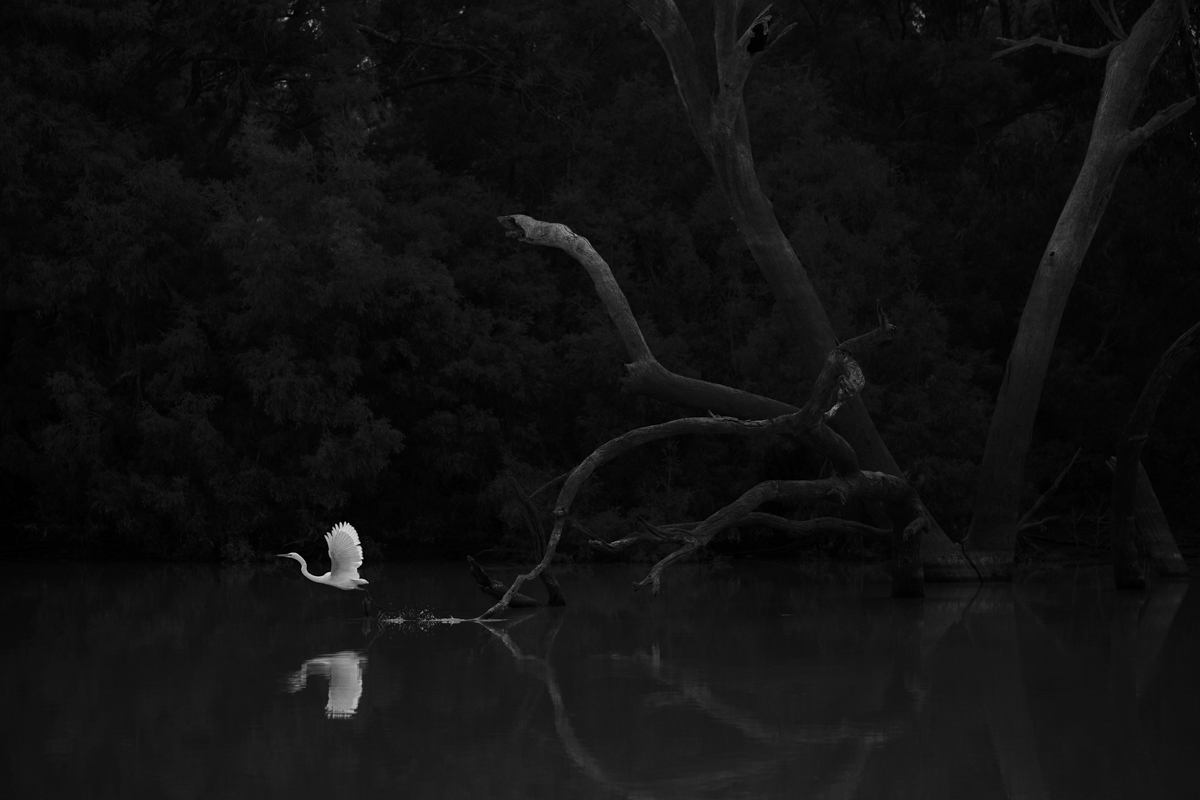
Image Krystle Wright
Landscape photographers must also pay attention to technical aspects such as exposure, depth of field, and focus. Using a tripod can help ensure sharp images, especially in low-light conditions or when using longer exposure times to capture motion in water or clouds. Additionally, shooting in RAW format allows for greater flexibility in post-processing, enabling photographers to fine-tune exposure, contrast, and color balance.
Post-Processing
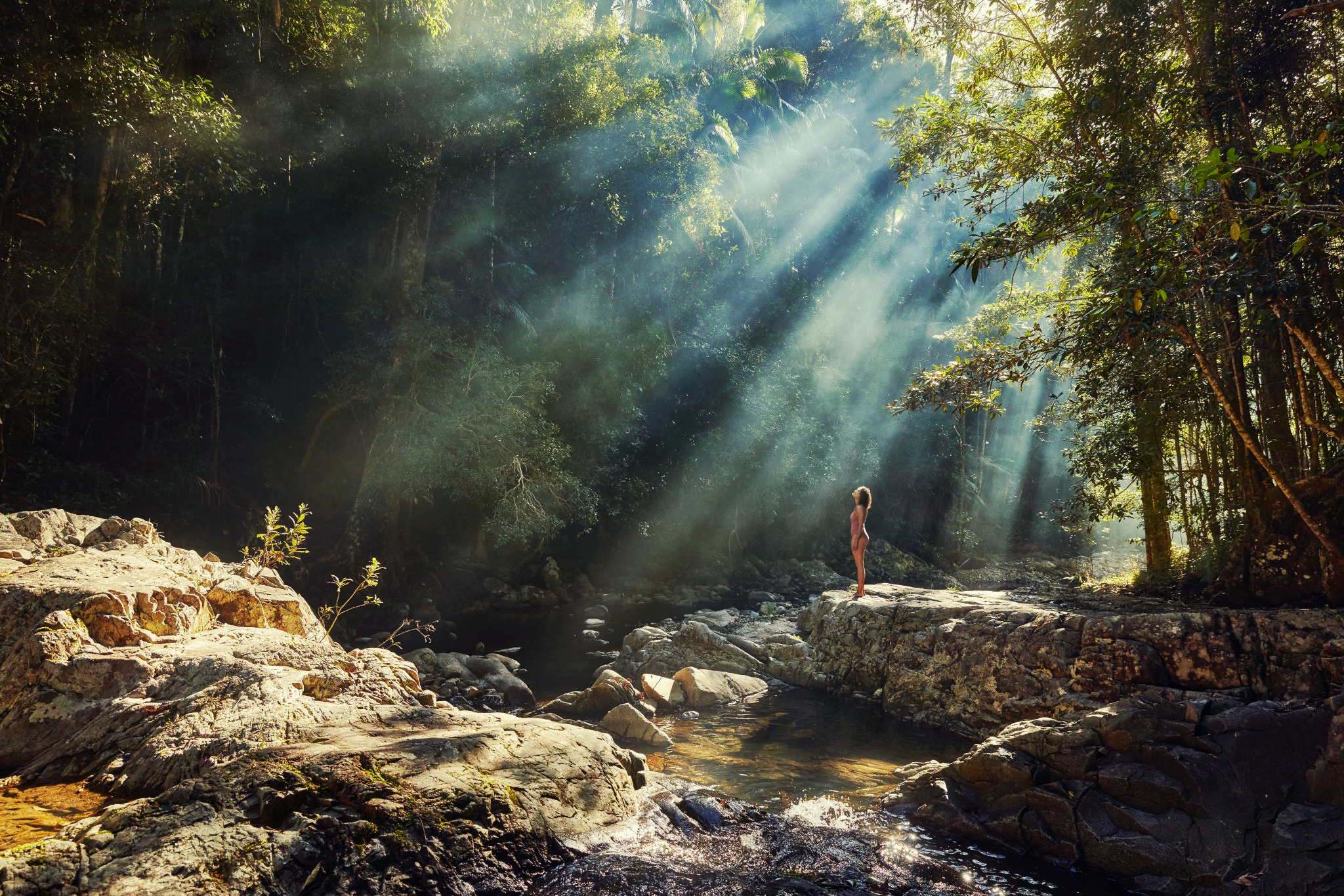
Image Josh Kelly
While capturing the image is just the beginning, post-processing is an essential step in landscape photography. Tools like Adobe Lightroom and Photoshop allow photographers to enhance their images, bringing out details in shadows and highlights, adjusting colors to reflect the true mood of the scene, and cropping to improve composition.
Conclusion
Landscape photography is a dynamic and rewarding genre that invites photographers to explore the beauty of the natural world and share their unique perspectives. From the early pioneers who documented the untouched wilderness to modern-day photographers who continue to push the boundaries of the art form, landscape photography remains a powerful means of connecting people with the environment. By considering composition, lighting, weather, perspective, and technical details, photographers can create compelling images that capture the essence of the landscapes they love.
Discover 20 of the most inspiring travel photographers shaping how we see the world. From luxury destinations to cultural por...

Discover nine leading beauty photographers who are redefining visual aesthetics in the industry, plus an emerging talent pois...

Explore the diverse styles of automotive photography and discover nine talented photographers who bring vehicles to life thro...