

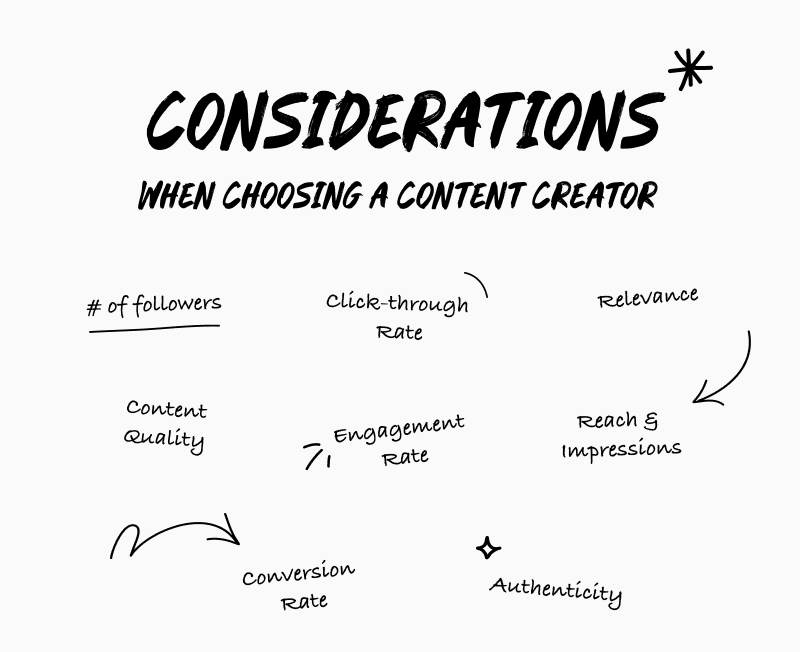
When it comes to selecting the best content creator for your campaign, there's a lot more to consider than just a flawless Instagram feed or trending content. The best approach actually lies in finding a creator using a blend of quantitative and qualitative metrics. While this might sound complex, it’s really about balancing the hard numbers with the creator's unique content and personality.
Quantitative metrics, such as engagement, impressions, and number of clicks, provide the solid data needed to measure performance. They serve as a backbone when deciding a creator partnership since they deliver clear and measurable results. However, do not overlook qualitative factors like authenticity, niche expertise and content quality since these are actually the things that bring in the numbers and attract results.
What are the Quantitative Metrics to Consider?
Quantitative metrics, like followers, views, likes, shares, and click-through rates, provide a snapshot of a creator's reach and engagement. These are tangible things you’d want to pay attention to so you can get an idea of a content creator’s performance as well as to measure the potential success of your campaign. Here are several Quantitative metrics to look out for:
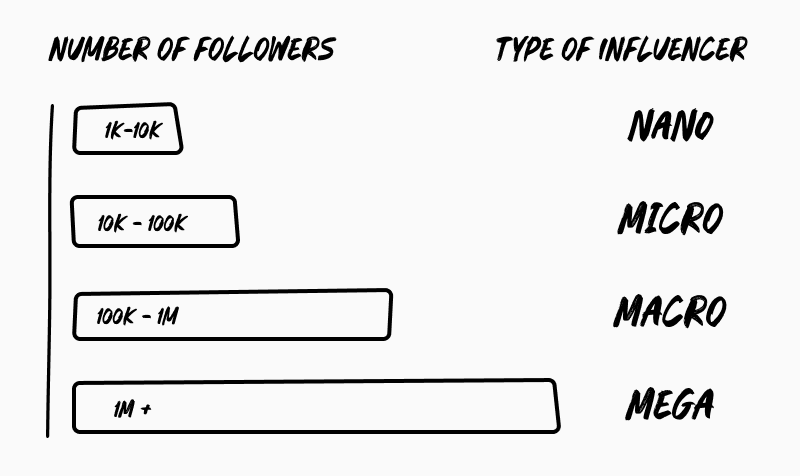
A content creator’s follower count not only signals their popularity but also helps classify them into Nano, Micro, Macro, and Mega Influencers. Each classification pertains to specific advantages and disadvantages but the bottomline is that you should clearly identify your campaign goals first in order to select the right creator for your needs.
If you're targeting a more niche community, look into working with Nano and Micro Influencers since they have a smaller and more engaged audience. This makes them great to partner with for driving conversion due to their high engagement rates. Meanwhile, if you’re all about creating widespread buzz, it’s best to shoot for Macro and Mega Influencers since they have a larger audience.
Impressions and Reach
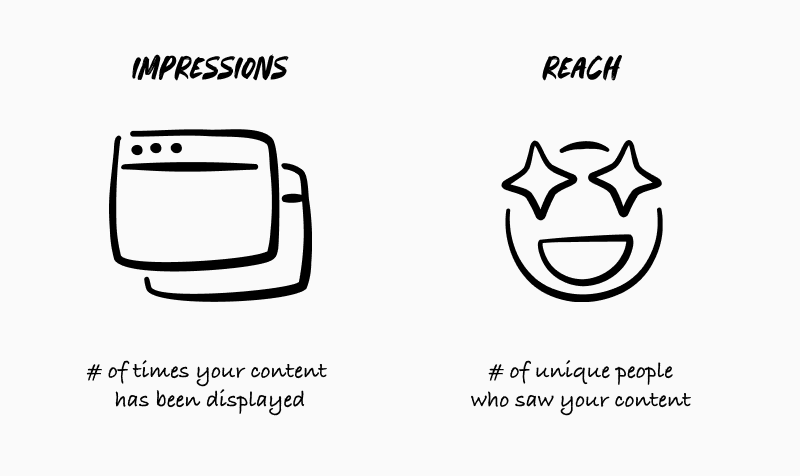
In digital marketing, reach and impressions are key metrics used to measure the performance and reach of content. Though often used interchangeably, they have distinct meanings and implications.
Reach refers to the number of times a piece of content, such as a video or article, is watched or read per user. This metric indicates direct engagement, showing how many unique users found the content interesting enough to interact with it.
Impressions, on the other hand, measure how often content is displayed, regardless of whether it was engaged with or not. An impression is counted each time an ad or a piece of content appears on a screen, even if the user doesn't interact with it. This metric helps marketers understand the potential reach and visibility of their content.
To put it simply, Reach pertains to the number of unique users who saw your content while Impressions refer to the number of times your content was displayed.
Engagement Rate

The Engagement Rate reflects how many people engage with a piece of content through likes, comments, shares, and other forms of interaction. Essentially, it shows the strength of connection and resonance between the content and its audience.
To calculate the Engagement Rate, simply divide the Total Engagement by the Total Impressions and multiply by a hundred. This metric will help you understand how well a content creator’s content performs in terms of audience interaction and is a key indicator whether a campaign is working. Having a high engagement rate is normally a strong sign that your target audience is really connecting with a content creator and their own unique content.
Check out some of the best Australian creators you can partner with to help raise your Engagement Rate in your next campaign.
Click-Through Rate

Another important indicator of the effectiveness of online marketing campaigns, digital ads, and content is the Click-Through Rate (CTR). It measures the ratio of users who click on a specific link to the total number of users who view a page, email, or advertisement where the link is posted.
A high CTR indicates that a content is compelling and relevant to the audience, prompting them to take action by clicking the link. But how do we really measure the number of clicks? One of the most common ways is to use UTM tags, which are snippets of text added to the end of a URL to track the performance of digital marketing campaigns.
These UTM codes are often tracked through Google Analytics and will help you identify the effectiveness of specific campaigns by providing data on how users arrived at a particular webpage. So when working with a content creator, it’s good practice to give them a UTM link that’s unique to them so you can get a clear picture of how well they’re performing.
Conversion Rate
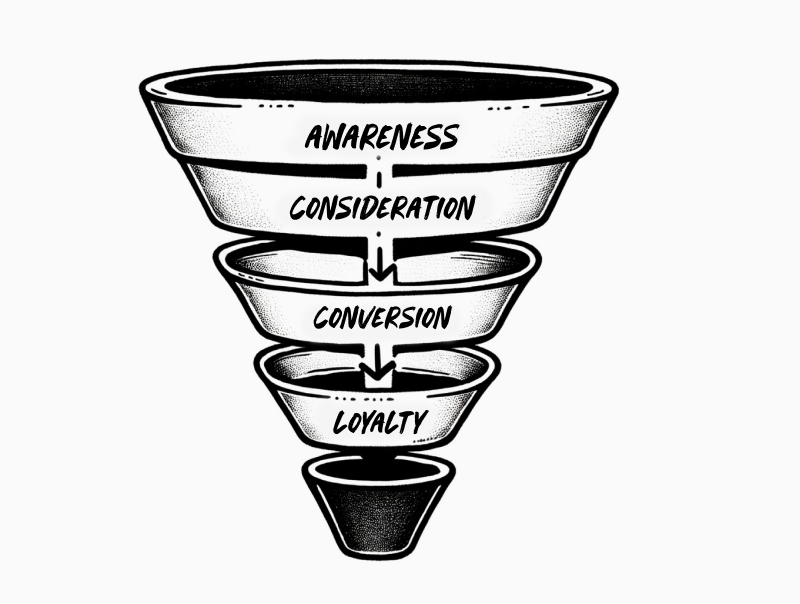
The Conversion Rate refers to the number of users who take a desired action such as making a purchase or filling out a form, out of the total number of visitors to a website or landing page. We can consider the Conversion Rate as one of the biggest indicators of success in a campaign since it directly reflects the effectiveness of the digital content in driving user engagement and achieving marketing objectives.
When working with content creators, tracking conversion rates provides valuable insights into the performance of their content and the impact it has on audience behaviour.
Revenue

To gauge the return on investment from a content creator collaboration, you also need to analyse the direct impact of a creator's content on revenue generation. Directly monitoring can either come from the UTMs or discount codes and affiliate links dedicated to a creator.
Another way to measure this metric is by closely monitoring sales and comparing the trends between your normal sales versus the sales during a content creator partnership.
What about the Qualitative Factors?
Now we explore Qualitative Factors like quality of interactions, authenticity and emotional connection with the audience. After all, these are the things that provide us with a deeper understanding of a creator’s true impact and alignment with the campaign messaging.
Relevance, Audience and Niche
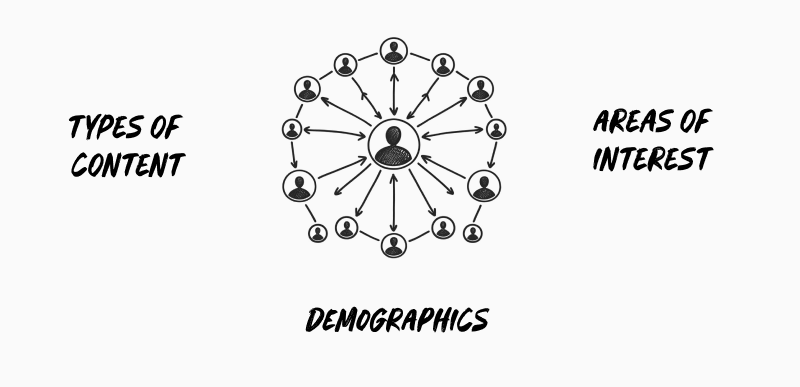
Starting with the basics, you need to make sure that the content creator matches or resonates with the demographics and the area of interest of your target audience. To gauge the relevance, be on the lookout for their location, socio-demographics, niche, and types of content published. Understanding the audience is key, as a creator with a dedicated following that matches your ideal demographic can drive engagement and conversions.
Meanwhile, paying attention to a creator’s niche expertise will allow you to tap into a specific segment where the creator is seen as an authority, ensuring authenticity and trust in their recommendations.
Authenticity

Authenticity encompasses transparency, genuineness, and relatability, making a creator's content resonate deeply with their audience. An authentic creator is perceived as trustworthy and credible, fostering a strong, loyal community that values their recommendations. This trust translates into higher engagement rates and more meaningful interactions, which are crucial for successful influencer marketing campaigns.
A good way to measure authenticity is by performing a content audit. Ask whether a creator has a clear brand message, if they have a high engagement rate, and if the engagement in the form of shares and comments indicates a genuine connection between the creator and the audience. You may also want to pay attention to the transparency and honesty of their sponsored content and check for fake or inactive follower accounts.
Content Quality

A content creator's ability to produce high-quality content reflects their expertise, creativity, and dedication to delivering valuable and engaging material to their audience. Quality content not only captures the audience's attention but also fosters trust and credibility, establishing the creator as a reliable source of information or entertainment. Evaluating a creator's content quality involves assessing the clarity of their message, the originality of their ideas, the consistency of their style, and the resonance with their target audience's interests and preferences. Additionally, quality content coincides with how effective the creator’s content is in driving the quantitative metrics.
Finding the Best Content Creator for You
Now that you know how to select the best content creator for your campaign, it’s time to begin your search. While finding a creator to work with on social media apps may seem instinctive, there are actually a few more ways in locking in the right content creator that’s aligned with your goals. Check out Visie’s guide to finding content creators for hire in 2024.

by them. is reshaping talent representation. Co-founders Lauren Benson & Nadine Pike share their journey, insights on brand-b...

Learn how an in-house creative team boosts brand consistency, cuts costs, and speeds up production. Explore Visie’s directori...

Discover the best website builders for videographers in 2024 to showcase your work, attract clients, and elevate your brand w...